

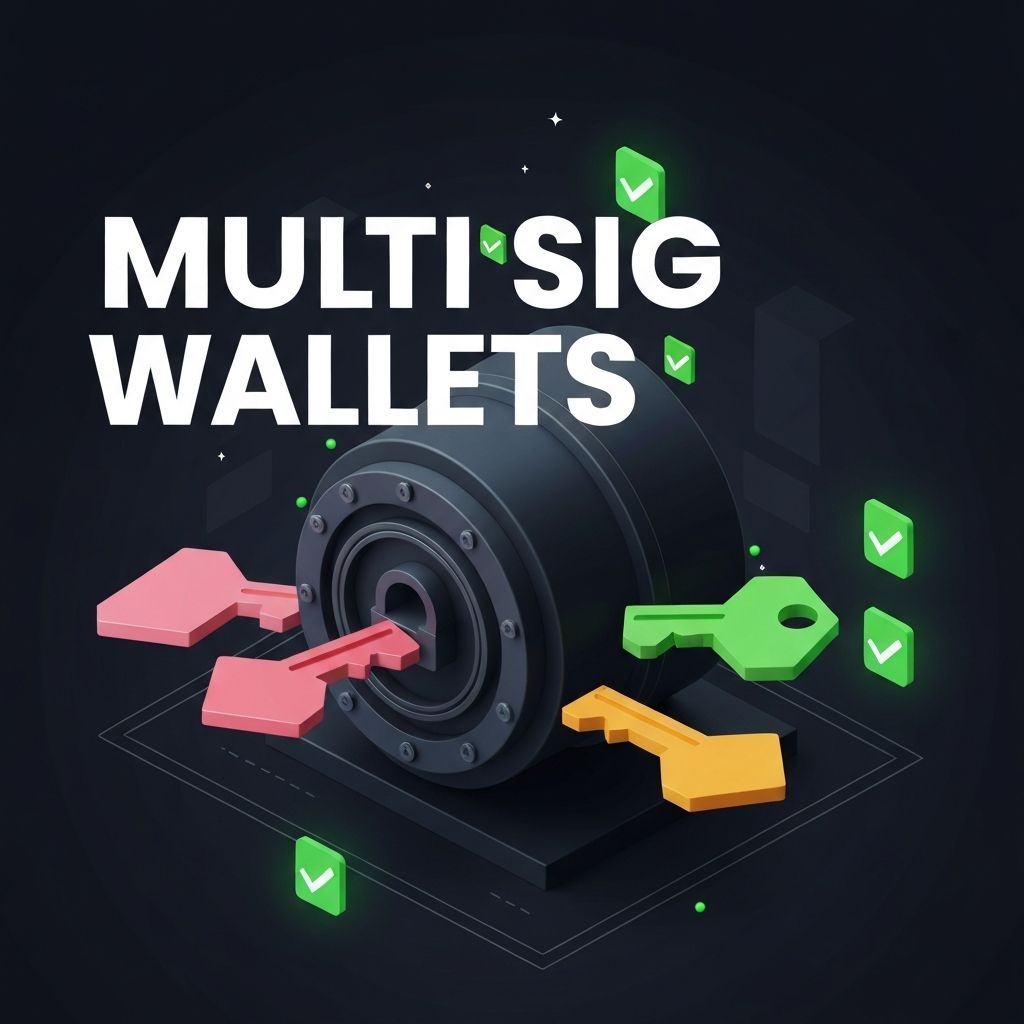
Multi-Sig Wallets Guide 2026: Shared Crypto Security for Teams and Treasuries
A multi-signature wallet, or multi-sig wallet, is a crypto wallet that requires approval from more than one key holder before a transaction can be sent. This makes it a strong choice for teams, DAOs, treasury management, and anyone who wants better protection than a standard single-key wallet.
If you use Swapy.io for active trading and want stricter control over shared funds, a multi-sig wallet is one of the smartest ways to organize storage and approvals. It adds an extra layer of security without giving up self-custody.
What a Multi-Sig Wallet Does
A regular wallet usually has one private key, so one person can move the funds. A multi-sig wallet changes that by requiring a minimum number of signatures out of a group of possible signers.
For example, a 2-of-3 wallet means there are three approved signers, but only two signatures are needed to complete a transaction. That structure reduces the risk of theft, misuse, or one lost key taking down the whole wallet.
This model is widely used for treasury management, company funds, DAO operations, and high-value crypto storage. It is especially useful when multiple people need to control money, but nobody should have total unilateral power.
Why Teams Use It
Multi-sig wallets solve a common problem in crypto governance: trust. Instead of giving one person full access to all funds, the wallet spreads control across several participants.
That makes it harder for a single compromised device, bad actor, or internal mistake to cause major damage. It also creates a clear approval process, which is useful for organizations that need transparent spending rules.
For Swapy.io users, this can matter when a team treasury needs to swap assets, rebalance holdings, or move profits in a controlled way. The wallet itself becomes part of the internal risk policy.
Common Multi-Sig Setups
The higher the threshold, the more secure and the more operationally complex the setup becomes. For most teams, 2-of-3 or 3-of-5 is the sweet spot between safety and speed.
How It Works
-
A wallet is created with multiple signers.
-
The wallet defines how many approvals are required.
-
One signer creates a transaction.
-
Other signers review and approve it.
-
Once the threshold is reached, the transaction is broadcast to the blockchain.
This process gives teams more control over spending and makes unauthorized transfers much harder. It also creates a good audit trail for financial accountability.
Best Use Cases
-
Treasury wallets for crypto startups.
-
DAO governance funds.
-
Shared business wallets.
-
Family inheritance planning.
-
High-value long-term storage.
-
Operational wallets for exchange or trading teams.
For active trading operations, you can still use Swapy.io for fast swaps, then route profits into a multi-sig treasury for shared custody and controlled spending.
Risks and Tradeoffs
Multi-sig wallets are safer, but they are not always simpler. If signers disappear, lose access, or disagree, the wallet can become harder to use.
They also require good operational discipline. Everyone involved needs to understand how the wallet works, how backups are stored, and how to respond if a signer is compromised.
Another important point is compatibility. Not every blockchain setup or wallet app supports every multi-sig configuration in the same way, so teams should test the workflow before using it with real funds.
Best Practices
-
Choose signers from different devices and locations when possible.
-
Keep recovery information secure and offline.
-
Document the approval policy before funding the wallet.
-
Test the wallet with a small transfer first.
-
Review signer access regularly.
-
Use hardware wallets for signer keys when possible.
A strong setup usually combines multi-sig with hardware wallets, so each signer keeps their key offline in cold storage. That gives both security and organizational control.
Why It Matters for Swapy.io Users
For teams that trade actively, the best setup is often a two-layer system. Use Swapy.io for fast execution, then move treasury or shared capital into a multi-sig wallet for long-term control.
That way, the team can trade efficiently without giving one person full authority over the funds. It is a practical solution for crypto businesses, DAOs, and any group handling shared assets.